Smiling mechanic in blue uniform uses a digital tablet for vehicle diagnostics in a garage.

Our Approach to Mobile Service

RoadFix Mobile provides on-site diagnostics and repair, bringing garage-level attention to the vehicle's locationโ€”typically roadside, workplace, or depot. Drivers and organisations with vehicle fleets use the service by submitting a request specifying the vehicle, its location, and the noted issue. Work scope covers diagnostic checks and common repairs feasible at a stationary vehicle. The process begins with a detailed description of symptoms and location to support preparation. Depending on access, conditions, and parts, rectification may be completed on-site or requires a request review to scope further action. All activities adhere to safety protocols; service availability and resolution extent depend on mobile technician capacity and spare parts. For fleets, recurring requests follow a consistent workflow with itemised component and labour descriptions in written estimates.


Contexts and Considerations for Mobile Vehicle Assistance

Mobile vehicle assistance may be considered in situations where a vehicle cannot be safely moved or when transporting it to a workshop is impractical. This includes breakdowns on busy roads, in remote locations, or when a vehicle is immobilized due to a fault. The service operates as an informational framework: a request is made specifying the location and nature of the issue, and a mobile technician may attend. However, outcomes depend on the specific malfunction, location, weather, and other external factors. This approach is not a substitute for professional judgment, and results cannot be guaranteed. It is intended for drivers and organizations seeking an alternative to traditional vehicle recovery and workshop visits, with all actions contingent on the circumstances at hand.

How the Mobile Service Request Process Works

  • 01

    Submit Your Request

    Provide your location and describe the vehicle malfunction through the online request form.

  • 02

    Confirm the Scope

    A coordinator contacts you to confirm the details and outline the planned service scope.

  • 03

    Technician Dispatch

    A technician is dispatched to your specified location with the necessary equipment for on-site assessment.

  • 04

    On-Site Diagnostics and Repair

    The technician performs diagnostics and carries out repair work as agreed, depending on the findings.

User Experiences with the Mobile Service

Eleanor

I was stranded with a flat battery in a supermarket car park. The technician arrived within the hour and jump-started the car. The process was straightforward, though I recognise response times can vary by location.

James

My company van had a coolant leak. Using RoadFix Mobile meant a mechanic came to our depot, diagnosed the issue on-site, and completed the repair. It saved us arranging a tow truck, but results depend on the specific fault.

Priya

After noticing unusual engine noise, I booked a diagnostic visit at my home. The technician explained the findings clearly. While my experience was positive, each case differs and past outcomes don't guarantee similar results.

How the Service Operates

RoadFix Mobile works on a transparent, process-oriented basis. Each request is confirmed with clear communication about timing, scope and applicable terms before work begins. On-site diagnostics follow a structured methodology to identify the nature of the fault, and repair work is carried out according to defined procedures on location. Outcomes remain conditional and depend on multiple external factors, including vehicle condition, fault type and parts availability. The service provides an informational framework and does not replace professional judgment or independent mechanical assessment.

Our On-Site Diagnostic and Repair Approach

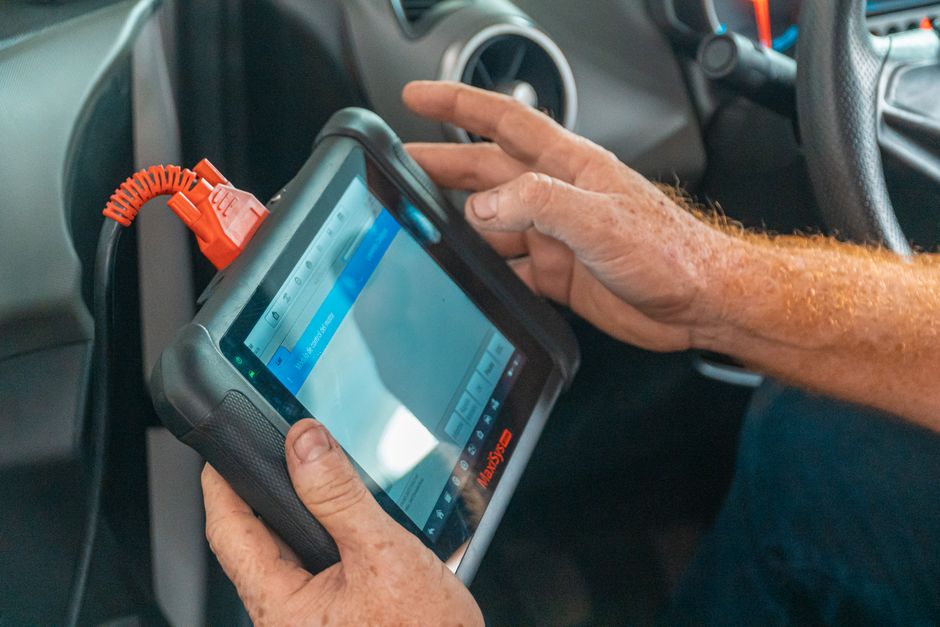
During a mobile visit, RoadFix Mobile technicians begin with a structured diagnostic process to identify the nature of the malfunction. Using portable diagnostic tools and visual inspections, they assess the vehicle's condition (in the UK). The repair approach is then determined by the identified issue; some faults may be resolved on-site with standard mobile equipment, while others may require a workshop environment. Not all repairs are feasible during a single visit due to factors such as parts availability or the complexity of the malfunction. The scope of work is therefore conditional on the diagnosis, and the process emphasizes transparency about what can be achieved on-site.

Auto mechanic in a workshop using a computer to diagnose a vehicle.

How RoadFix Mobile Operates

  • 01

    Request Submission

    Submit a request with your location and a description of the vehicle issue through the website or phone.

  • 02

    Assessment and Scheduling

    We review the details and schedule a visit based on availability, location, and reported problem complexity.

  • 03

    Arrival and Diagnosis

    A technician arrives at the specified location and performs an on-site diagnosis to identify the issue.

  • 04

    Repair or Referral and Follow-Up

    We attempt a repair or provide a referral; follow-up depends on the outcome and external factors.

Gallery of Representative Mobile Service Scenes

A collection of photographs showing technicians working on vehicles in various roadside and on-site locations. Images illustrate typical steps of the mobile service process and serve as representative examples within the RoadFix Mobile context.
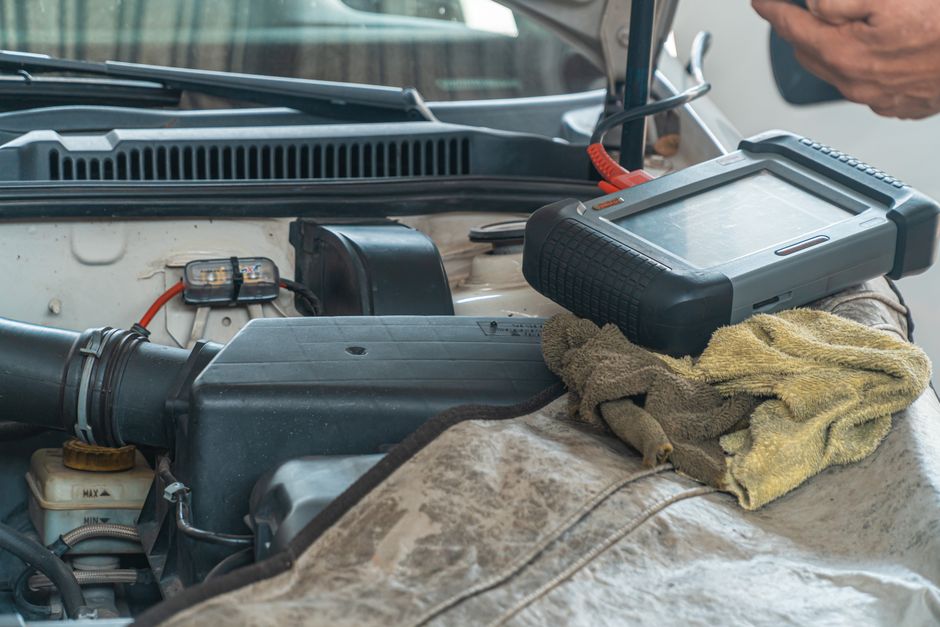
Close-up of a car engine inspection using a diagnostic tool in a garage setting, showcasing automotive maintenance and repair.
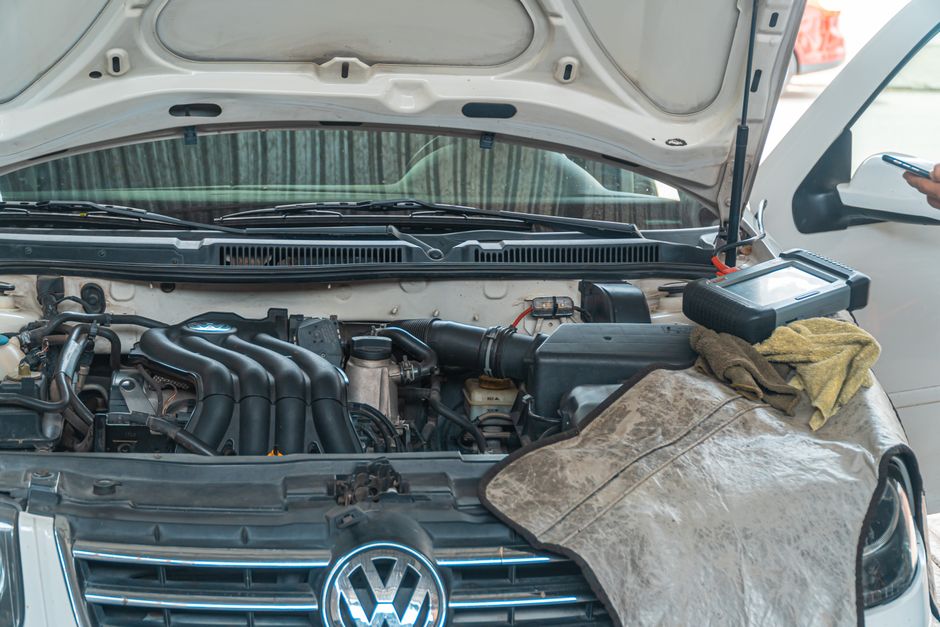
Close-up of a Volkswagen car engine undergoing repair in a garage, tools and diagnostic equipment in use.
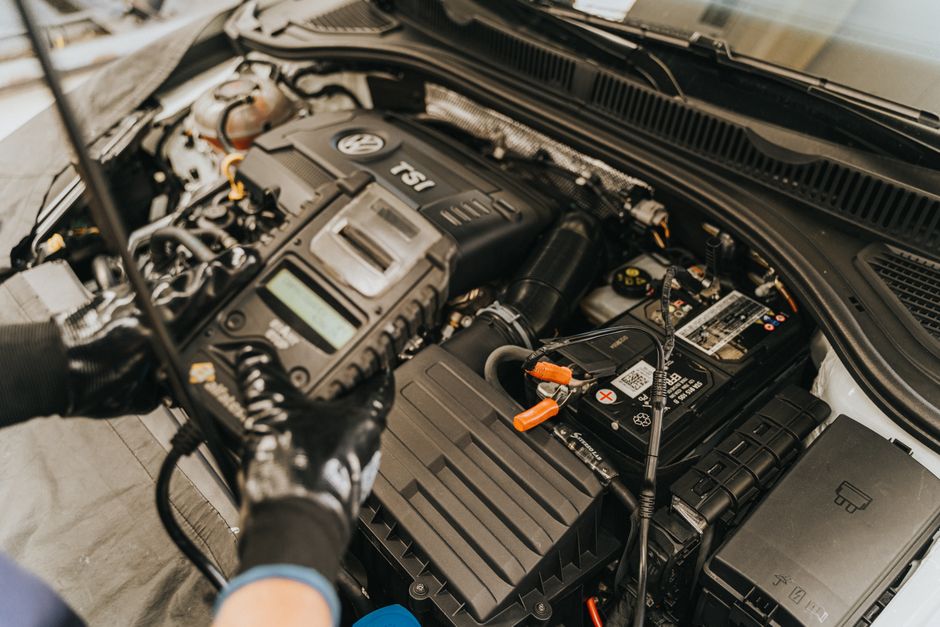
Close-up view of a mechanic diagnosing a Volkswagen engine with specialized equipment.
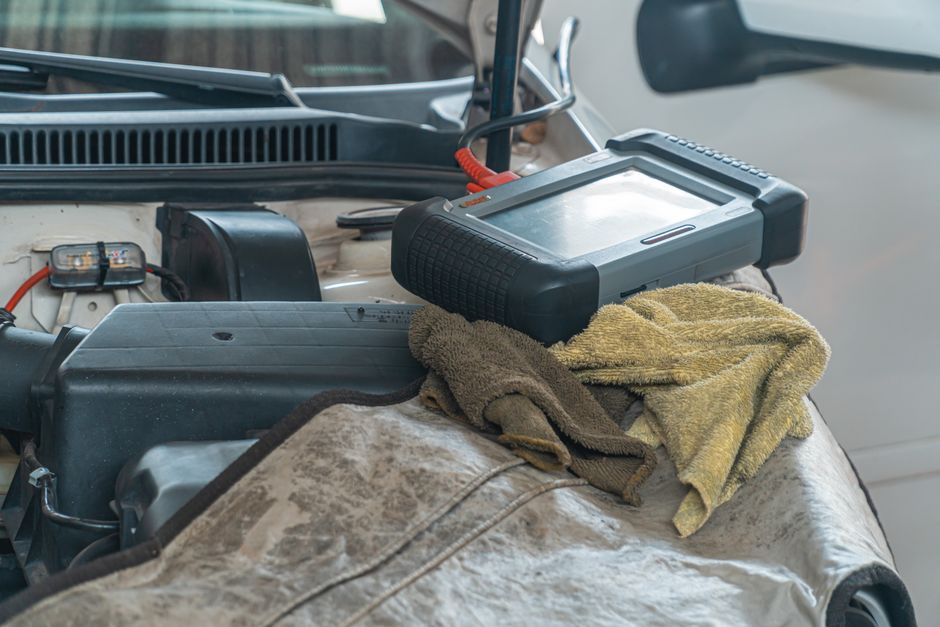
Close-up of car diagnostics tool on engine in a garage setting.
A mechanic uses a diagnostic tablet inside a car for vehicle analysis.

Who We Work With and How On-Site Visits Are Structured

RoadFix Mobile serves both individual drivers and organisations that operate vehicle fleets, ranging from cars and light commercial vehicles to larger vans used in daily operations. The service is organised as an on-site approach: a technician travels to the vehicle's location, carries out an initial diagnosis, and then defines the practical scope of work based on the malfunction identified. This structure is intended to address a variety of faults where the location and nature of the problem are described in advance. The exact extent of any repair depends on the diagnosis and prevailing conditions, so not every issue may be resolvable on-site.

Contextual Variables That Shape the Service Process

Several contextual variables can influence how the mobile service process unfolds. The vehicle type determines access to components and the suitable equipment set. Malfunction complexity affects the scope of diagnostic steps conducted on site. Location accessibility, including parking conditions and traffic restrictions, may shape arrival and working conditions, while weather conditions can influence equipment handling and the range of procedures available at the roadside. These factors relate to circumstances, not assured outcomes.

Smiling auto mechanic uses digital tablet in car repair shop environment.

Service Process Highlights

  • On-Site Diagnostics

    Initial assessment carried out at the vehicle's location to identify the issue.

  • Request-Based Dispatch

    Service initiated upon request, with location and fault details provided in advance.

  • Individual Clients

    Support for private vehicle owners, subject to request and location details.

  • Organisational Clients

    Services available for businesses and organisations managing vehicle fleets.

Frequently Asked Questions

  • 1What types of vehicle malfunctions can be addressed by a mobile service?
    Mobile service typically covers issues that can be diagnosed and repaired on-site, such as battery problems, flat tyres, minor electrical faults, and basic mechanical adjustments. Complex repairs may require a workshop.
  • 2Which geographical areas are covered by the service?
    Coverage is generally limited to specific regions within the UK, often including major cities and surrounding areas. Availability depends on location and may vary, so it is advisable to check coverage before requesting.
  • 3How does the request process work?
    A request is typically made by submitting details about the vehicle's location and the nature of the issue. The service then assesses the information and may dispatch a technician if the case is suitable for mobile assistance.
  • 4What payment methods are accepted?
    Common payment methods include credit/debit cards and electronic transfers. Specific options may vary, and it is recommended to confirm accepted methods when arranging the service.
  • 5Are there limitations to what can be repaired on-site?
    Yes, on-site repairs are generally restricted to issues that do not require specialised equipment or extensive labour. Cases involving severe damage or complex diagnostics may be referred to a fixed workshop.

How the On-Site Process Works

RoadFix Mobile operates through a documented workflow: requests include location and fault details, and technicians perform diagnostics and repairs on site as an alternative to workshop visits. Transparent communication means each stage is explained โ€” what is assessed, which methods are used, and which factors may affect outcomes, such as vehicle condition and access. Results depend on multiple external variables and individual professional assessment. No guarantees are implied.

How Our On-Site Framework Works

RoadFix Mobile operates through a straightforward request-based framework: you submit details about your vehicle's location and the nature of the issue. The service is designed to bring diagnostics and repair directly to where the vehicle is situated, rather than requiring transport to a workshop. Once a request is received, the information is reviewed to determine the appropriate mobile response. On-site diagnostics are then carried out to assess the problem, followed by repair work where feasible. This approach is intended for drivers and organisations managing vehicles, and it relies on clear communication of the fault. The process emphasises transparency and methodology, with outcomes depending on the specific circumstances of each case.

An auto mechanic in blue coveralls inspecting a car's engine in a garage.

How the Mobile Service Model Works

Skilled mechanic working on car engine diagnostics in a modern garage.
  • Request-Based Dispatch

    Service is initiated through a request specifying vehicle location and fault details, enabling dispatch coordination.

  • On-Site Diagnostics

    Technicians perform diagnostic procedures at the vehicle's location to assess the reported issue.

  • Mobile Repair Approach

    Repairs are conducted on-site where feasible, using portable tools and equipment according to the assessment.

  • Support for Drivers and Organisations

    The service is structured to accommodate both individual drivers and organisations managing vehicle fleets.

Request Service: Contact & Location

Submit your details, describe the issue, and pinpoint your vehicle's location using our interactive map. This form helps initiate your mobile service request.

Service Request Form

We use cookies

We use cookies to ensure the proper functioning of the website, analyze traffic, and improve your experience. You can accept all cookies or reject them โ€” the site will continue to operate. For more details, read our Cookie Policy.